
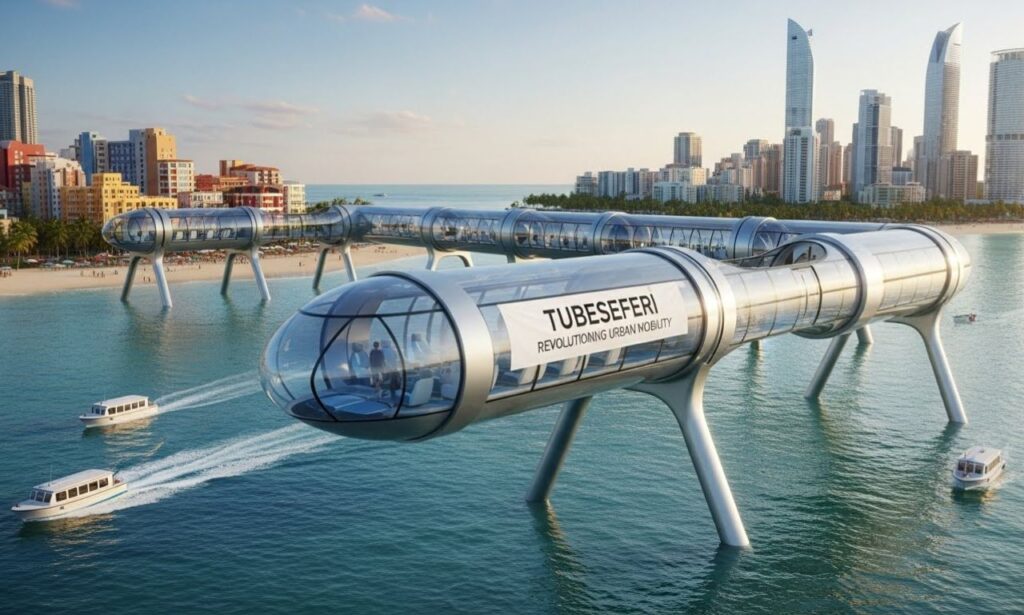
Introduction to Tubeseferi and its concept
Imagine a world where commuting through bustling coastal cities is as serene as gliding over the waves. Enter Tubeseferi, an innovative transport system that’s changing how we think about urban mobility in areas surrounded by water. With its sleek design and eco-friendly approach, Tubeseferi offers a fresh alternative to traditional transit methods. It harnesses the natural waterways of coastal cities, providing efficient travel while minimizing congestion on roads.
As urban populations grow and environmental concerns mount, Tube seferi steps up to meet these challenges head-on. This revolutionary concept not only promises faster commutes but also fosters a connection with our stunning waterfronts. Join us as we explore how Tubeseferi is reshaping transportation for city dwellers and making sustainable living more attainable than ever before.
Benefits of Tubeseferi for coastal cities
Tubeseferi offers numerous advantages tailored for coastal cities. It provides an eco-friendly alternative to traditional urban transportation. By utilizing waterways, it reduces road congestion and lowers carbon emissions significantly. Accessibility is another key benefit. Tube seferi connects remote areas with urban centers, making commuting easier for residents and tourists alike. This fosters economic growth by enhancing mobility and encouraging local businesses to thrive.
Moreover, the scenic journey on water enhances the overall travel experience. Passengers can enjoy stunning views of coastlines while reducing their stress levels compared to congested roads. Safety is prioritized as well; waterways often present fewer hazards than busy streets filled with cars. Tubeseferi creates a safer environment for commuters while promoting healthier lifestyles through reduced reliance on automobiles.
How Tubeseferi is different from other forms of urban transportation
Tubeseferi stands out in the crowded landscape of urban transportation. Unlike buses or trams that navigate congested streets, Tubeseferi operates on water, offering a seamless journey above traffic. This innovative system utilizes specially designed vessels that glide along coastal routes. Passengers can enjoy stunning views while avoiding the stress of road delays. While traditional public transport relies heavily on land infrastructure, Tubeseferi capitalizes on waterways. This not only alleviates congestion but also reduces pollution levels in cities where air quality is often compromised.
Accessibility is another key differentiator. With stops strategically located near popular destinations, it makes commuting more convenient for residents and tourists alike. In essence, Tubeseferi redefines urban mobility by merging efficiency with an enjoyable travel experience—something other forms struggle to achieve amidst ever-increasing city demands.
The success and impact of Tubeseferi in current cities
Tubeseferi has quickly made a mark in cities like Istanbul and Barcelona, reshaping how residents navigate their urban landscapes. By offering an efficient alternative to congested roadways, it attracts daily commuters looking for hassle-free travel. This innovative water transport system enhances accessibility by connecting key locations along the coast. Passengers appreciate the scenic views while enjoying faster transit times compared to traditional modes of transport.
The environmental impact is significant as well. Tube seferi reduces reliance on fossil fuels and contributes to lower carbon emissions. As a result, coastal air quality improves, making these urban environments healthier for inhabitants. Moreover, local economies benefit from increased tourism and foot traffic around docking stations. With growing popularity comes heightened interest from city planners keen on sustainable solutions for metropolitan mobility challenges.
Future plans for expansion and implementation in other coastal cities
Tubeseferi is not just a fleeting trend; it’s a vision for the future of urban mobility. Plans are underway to expand this innovative transportation system into various coastal cities around the globe. These expansions will focus on areas where traditional transport struggles, offering seamless connectivity. Cities like San Diego, Miami, and Barcelona are already showing interest in adopting Tubeseferi. Each location presents unique challenges and opportunities that can be tailored to local needs. The goal is to enhance access while reducing congestion.
Partnerships with local governments and stakeholders will be crucial in these implementations. They aim to ensure that Tubeseferi integrates smoothly with existing public transport systems. This collaborative approach promises an efficient solution for residents and visitors alike. As more cities embrace sustainable options, Tubeseferi stands ready to revolutionize how coastal communities navigate their urban landscapes.
Potential challenges and solutions for integrating Tubeseferi into existing infrastructure
Integrating tubeseferi into existing infrastructure presents several challenges. One major concern is the need for efficient docking stations along coastal areas. These must be strategically placed to ensure accessibility and minimize congestion. Another challenge involves coordinating with local transportation systems. Ensuring seamless transfers between tubeseferi services and other modes of transport like buses or trains is essential for user convenience. Public perception can also be a hurdle. Gaining community trust requires effective communication about safety, reliability, and environmental benefits of adopting tubeseferi.
Solutions include pilot programs that showcase its advantages in real-world scenarios. Engaging communities through workshops can address concerns while fostering enthusiasm for this innovative transit option. Investing in technology that allows real-time tracking will enhance user experience and confidence in the service’s efficiency, ensuring smoother integration into urban landscapes.
Conclusion
The promise of Tubeseferi extends beyond just a new mode of transportation. It embodies a shift in how we think about urban mobility, particularly in coastal cities where traditional transport solutions often fall short. By utilizing waterways, Tubeseferi not only alleviates traffic congestion but also reduces carbon emissions associated with road travel. This innovative system has the potential to create more sustainable communities by encouraging public transit use and decreasing reliance on personal vehicles. As more cities explore eco-friendly alternatives, Tubeseferi could become a pivotal element in shaping future urban landscapes.
As this concept gains traction, it offers numerous opportunities for improving quality of life while promoting environmental stewardship. Embracing Tubeseferi may very well lead us toward smarter and greener urban living along our coastlines.